Pages

Monday, 3 August 2020

Unfamiliar Texts - English

With close reference to the two texts, compare the ways the sea and things associated with it are important in both texts.


Both texts, lament and dreamers, touch on the idea of grief and acceptance by using imagery of the ocean. In lament we see Colquhoun use repetition with the phrase; “Buck has gone out fishing.” It can be assumed that Buck is someone dear to the protagonist, and they have passed. The repeated phrase tells the audience that Buck is not around, and later in the poem we get the sense that Buck is dead because of similes such as; “Seagulls flock like angels in the distance.” In dreamers we see a similar use of sea imagery to discuss a passing. The techniques used a personification and metaphor. “The rough tempestuous sea had come and taken him; it had enfolded him in its generous arms and carried him to the sea floor where he sang with the mermaids.”


Wednesday, 29 July 2020

Unfamiliar text practice - English

A lament is an expression of sadness. With close reference to the text, discuss the style used in the non-italicised section of the poem to convey this sadness.

In the poem, “Lament” by Glenn Colquhoun, stylistic techniques such as personification, are used to convey a sense of sadness. In the third stanza we see an example of this technique when it says; “if windows poke out their tongues for a drop of water/or if trees keep their shadows tightly to themselves.” This effectively conveys what the author wanted the audience to feel, which is a sense of longing and grief. This is emphasized by the connotation of words such a; shadows, tightly, drop.   

Tuesday, 28 July 2020

Painting Level 3

My kaupapa this year is traditional women's work. This means my artwork is inspired by traditional past times for women, such as embroidery and botanical illustrations. My artist models are Elizabeth Blackwell and Frida Kahlo. My latest artworks are portraits of famous female fine artists (Frida Kahlo, Georgia O'Keeffe, Judy Chicago) with parts of their portraits embroidered. The reason being women use to not be considered fine artists, and embroidery is a form of traditional women's work. The works that I am currently doing are portraits with flowers coming out of their faces.

Friday, 22 May 2020

Household Still life - Art

The first image is a blind drawing, the second picture is after I refined the shapes and added shadow and depth. The last image is what I was drawing.

Thursday, 23 April 2020

Art Board


This is my series of botanical illustrations of plants from around my home.
I sketched in pencil, coloured with water colour, then added some more colour with coloured pencil. After that I outlined in black pen.

Tuesday, 10 March 2020

Botanical Illustrations - Art

Traditional Botanical Illustrations are illustrations that focus on the scientific accuracy of a flower. Illustrations depict all relevant information about flowers, however there was more of an emphasis on aesthetics. This is a very old form of art that brings together science and art. It was also seen as an acceptable form of science for women during the 19th century, when science was only acceptable for men to do. This is because girls were seen as ‘delicate’, and therefore weren’t permitted 

to have the same education as boys, however since botany was just drawing pretty flowers and labeling them, it was okay for women to do. But this was still an act of rebellion for many women because botany, however frivolous to men, it is a very important and involved science in many cultures, and even now. Many botanists still use the drawings done by women in the 19th century as reference. There was also a first wave feminist, Elizabeth Wolstenholme Elmy, who used botanical illustrations to educate children on sex during the 19th century by equating human and plant sex organs. 

Tuesday, 18 February 2020

Kubrick vs Luhrmann - English

Stanley Kubrick was an extremely innovative director and filmmaker throughout the mid-late 20th century. Like all auteurs, there were certain things he did that were a staple in his films. For instance, his use of contrast. Whether black and white, or using primary colours, his use of contrasting colours throughout his films was extremely pleasing to the eye, and helped to create a clearer picture. He also frequently used a long tracking shot, this is to create dramatic tension. In fact, tension was a very important element in a Kubrick film. Kubrick used many techniques to help him build tension and emotion throughout his films, this added an aura of eeriness to his work. 

On the other hand, Baz Luhrmann, another innovative auteur, is often referred to as the anti-Kubrick. Where Kubrick is contrasting and eerie, Luhrmann is busy and energetic. Kubrick’s films are often called slow, whereas Luhrmann is faster paced, with loud and garish colours rather than Kubrick’s limited colour palette. Kubrick’s style is supposed to make the audience feel alone by isolating the main characters using camera shots, whereas Luhrmann creates ‘audience participation cinema’.   

References:
Papish, B. (2016). Everything you need to know about Stanley Kubrick’s cinematic style. https://www.highsnobiety.com/2016/08/19/stanley-kubrick/

Denton, S. (2016). Revisiting Baz Luhrmann’s cinematic style in the great Gatsby. https://www.filminquiry.com/revisiting-great-gatsby/ 

Saturday, 15 February 2020

What is my Kaupapa? - Art


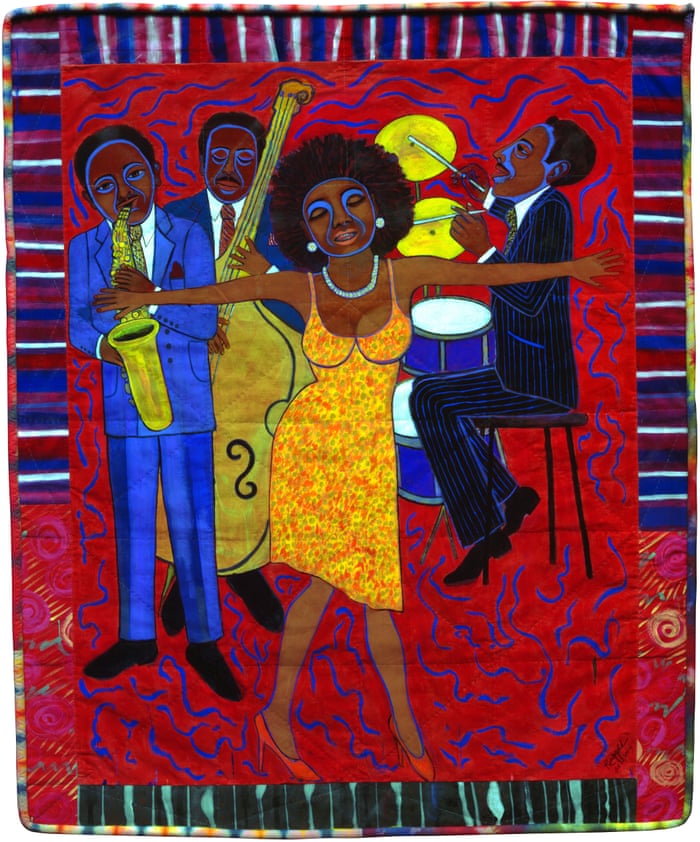
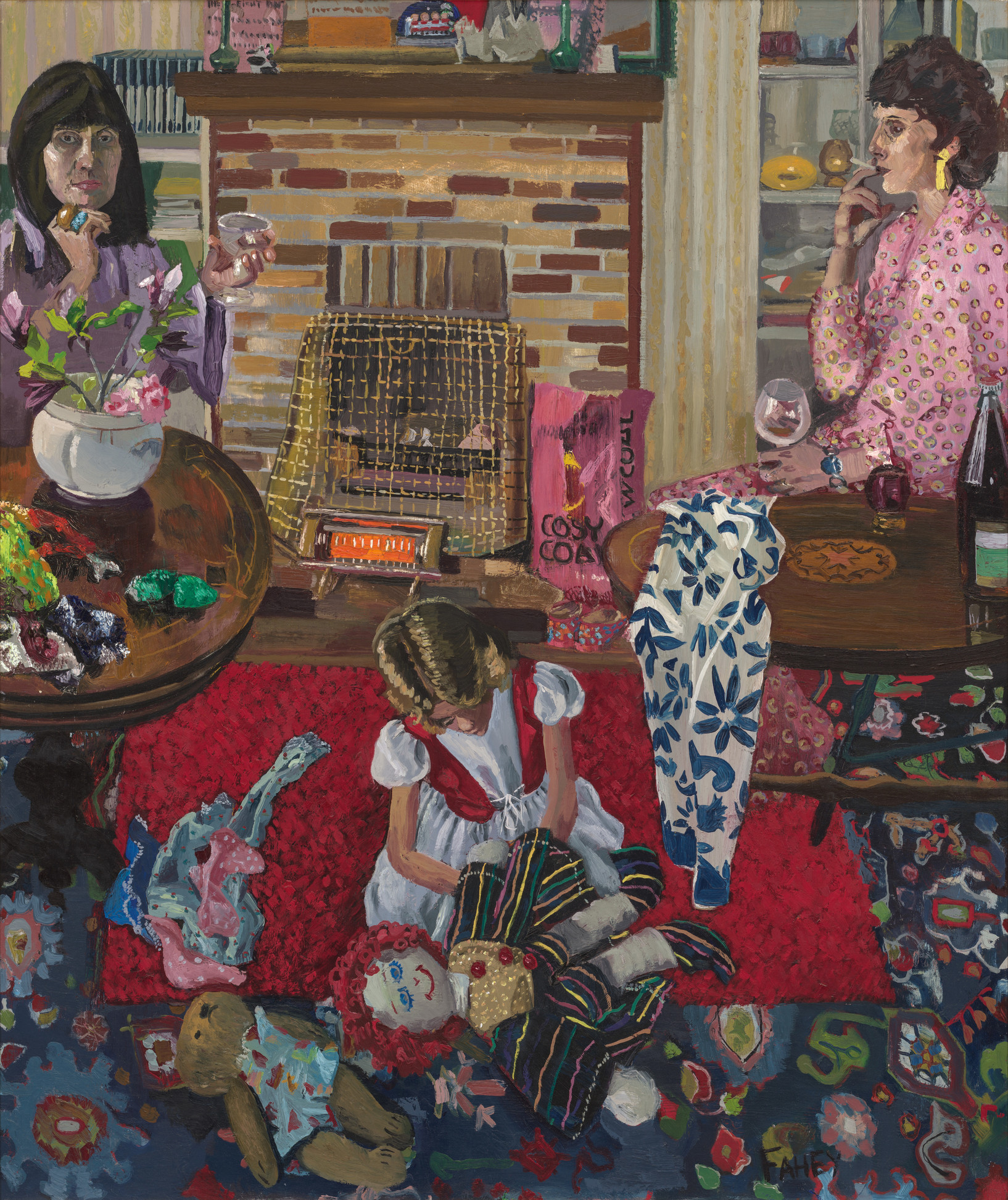
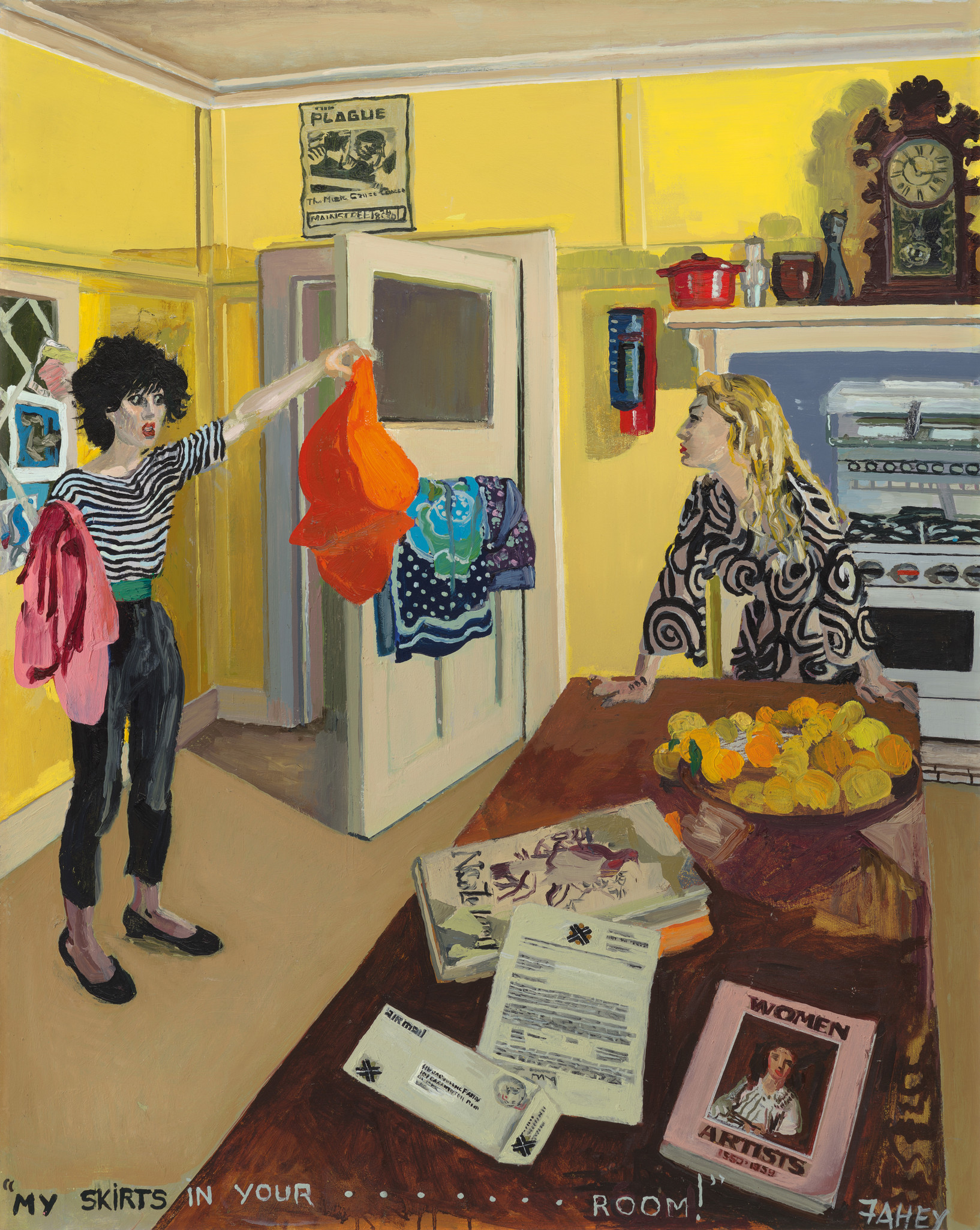
This year I am doing painting, because I like painting and I feel that it is my strongest field, and I learnt a lot last year in terms of technique and method. Last year I completed my art board and passed, I was particularly proud of the last two pieces on my board that were inspired by Jacqueline Fahey. However I wasn't so happy with anything else on my board, and only managed to pass with an achieved, Image result for faith ringgold paintingsImage result for faith ringgold paintings
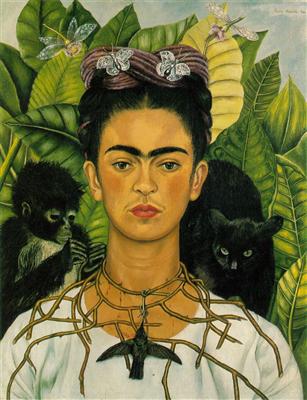
which isn't really up to my high standards. This year I would like to focus more on symbolism, rather than drawing people and figures over and over again. My brainstorms have helped me to think about the different types of subject matter that I can play with this year, as well as different ways to look at broad themes. My mood board helped me to gain some inspiration and ideas about what I want to do this year, as well as showed me some interesting artist models. The three artists I have chosen are Frida Kahlo, Faith Ringgold and Jacqueline Fahey. I chose these artists because I like the colours and textures they all use, and they are things I may chose to emulate in my own artworks.


Image result for frida kahlo paintingsImage result for frida kahlo paintings

Image result for jacqueline faheyImage result for jacqueline fahey

Wednesday, 5 February 2020

Character Strengths - English

Curiosity: 

What are you most curious about? Were you a curious child? I am most curious about the future. I want to know what is going to happen to the world, and also to me personally. Even as a child I wanted to know what I life would be like when I was a teenager, and now as a teenager I want to know what life will be like when I'm an adult. 

How has curiosity been affected growing up? If it has changed, why? When I was a kid I asked a lot more questions because I wasn't afraid of being judged or being wrong. Now I maybe don't ask as many questions, due to the pressure from myself to always be right, or always seem smart.

How does curiosity play out across different domains? At school there is a lot more social pressure not to sound dumb, however at home I care less about my families opinions, because they did teach me basically everything I know. 

Creativity:

What holds you back from being creative? Overthinking, and the fear of failure. The idea that to pursue something creative, you have to be the best. 

How do the reactions of other people affect your creative efforts? I think too much about what other people want, or like, and not enough about what I like to do creatively. 

How do you use your creativity in your everyday life? I take a lot of school subjects that are heavily creative, such as Art and English, and I always tend to find creative solutions to problems in other classes as well. 

Humour:

How do you initiate playfulness, and how does it change in every situation? I have a habit of not taking many things seriously, and sometimes it isn't exactly received well, but I do turn most things into a joke, though I do try not to be offensive. 

How do others around you express playfulness? Because I am a fairly light hearted person, I tend to surround myself with other light hearted people who like to joke around, mostly at the expense of each other.

When has humour been a barrier for you connecting with other people? Some people don't like to joke around and make fun of each other, some people get really upset when say negative things about them, so I was unable to befriend those sorts of people.